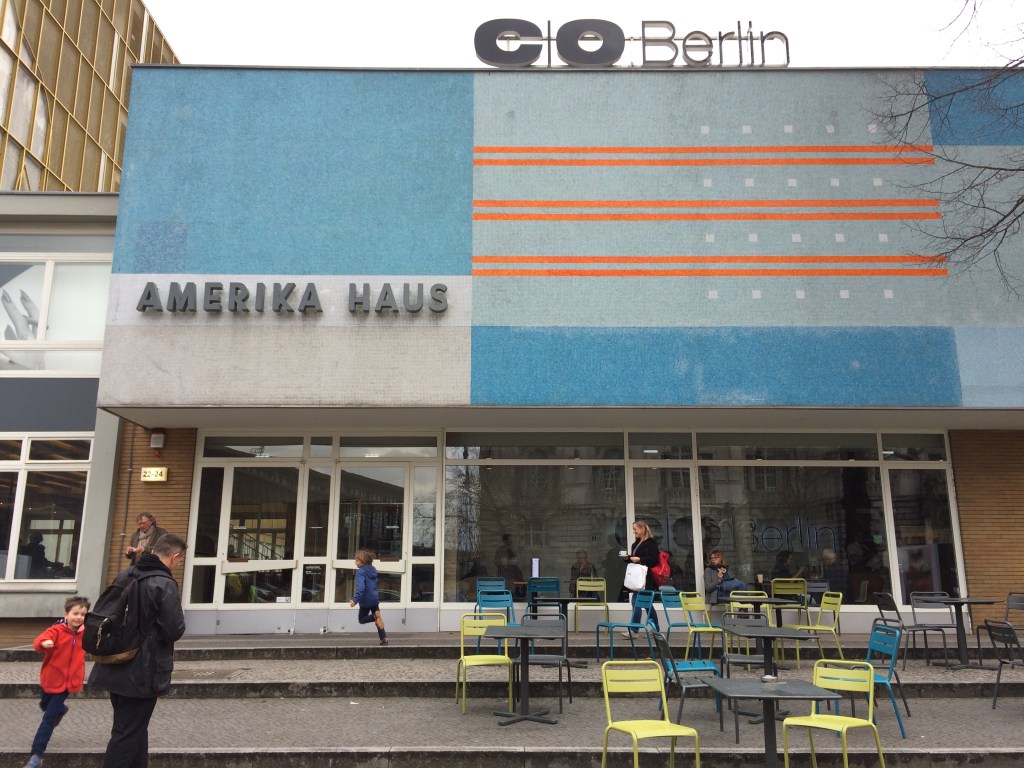
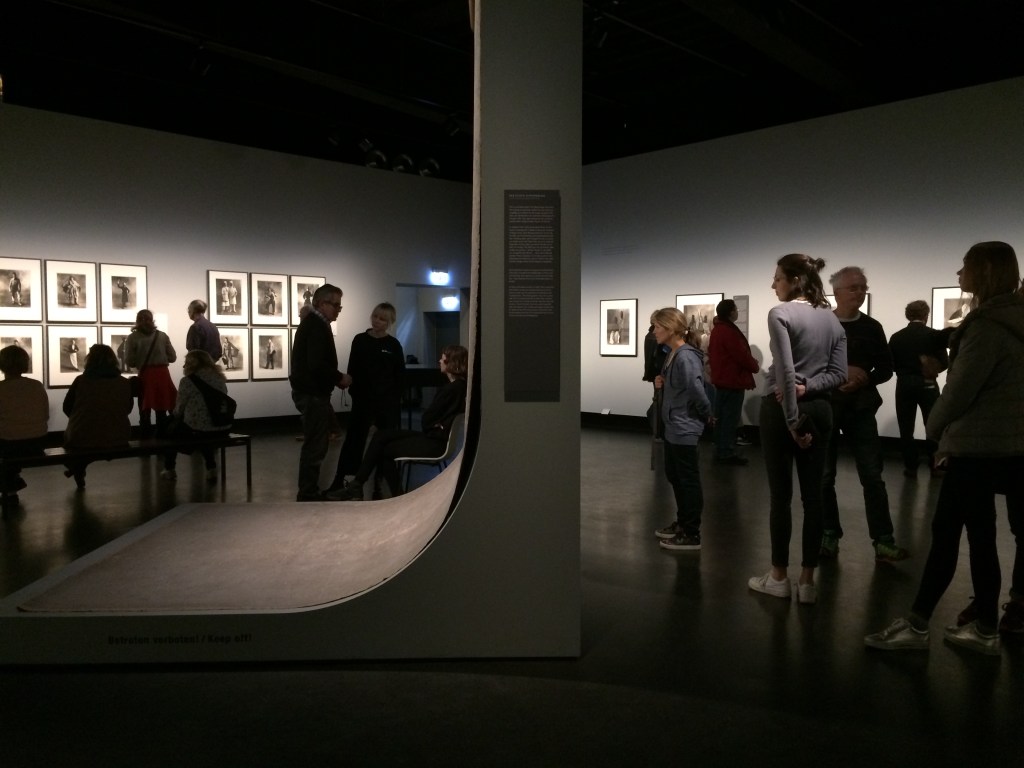
Centennial celebrates the 100th birthday of photographer Irving Penn. The Metropolitan Museum of Art of New York and the Irving Penn Foundation organised the exhibition. This is the first time in 20 years that Penn’s work has been displayed in Berlin. Spread across two levels, in more than five gallery spaces, the exhibition features close to 240 works.
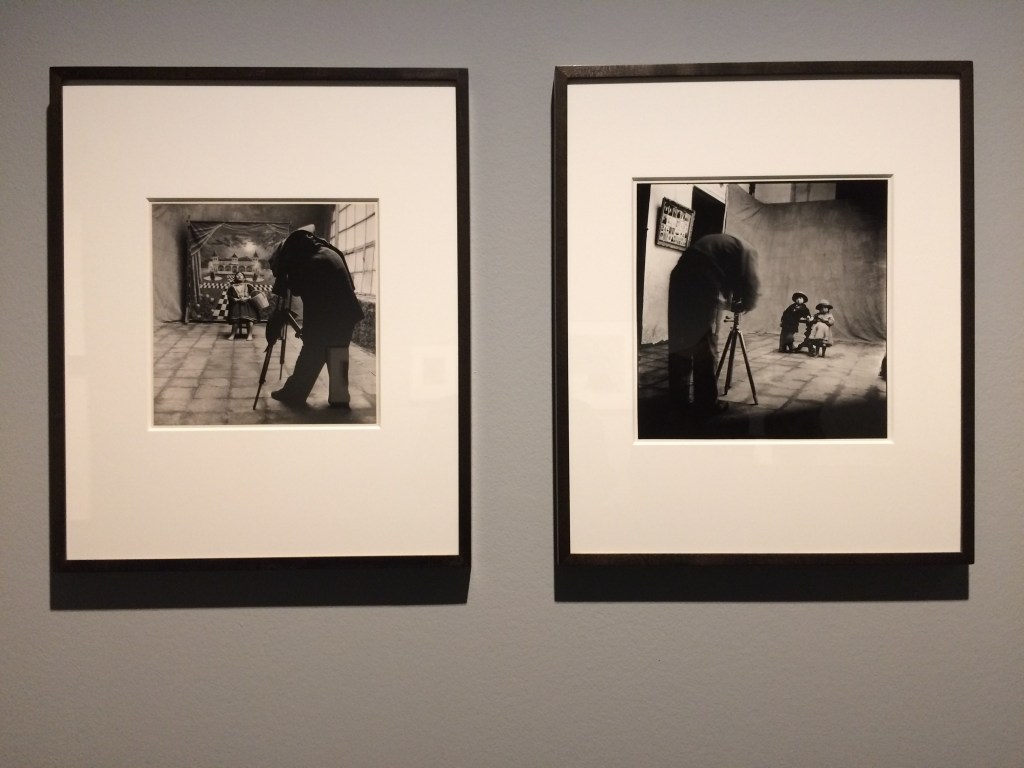
Once inside the gallery space, I realised I had forgotten many of Penn’s key works since my university days. From his early street photography to his landscape-like nudes, the corner portrait series and his work with Vogue. The list goes on and on.
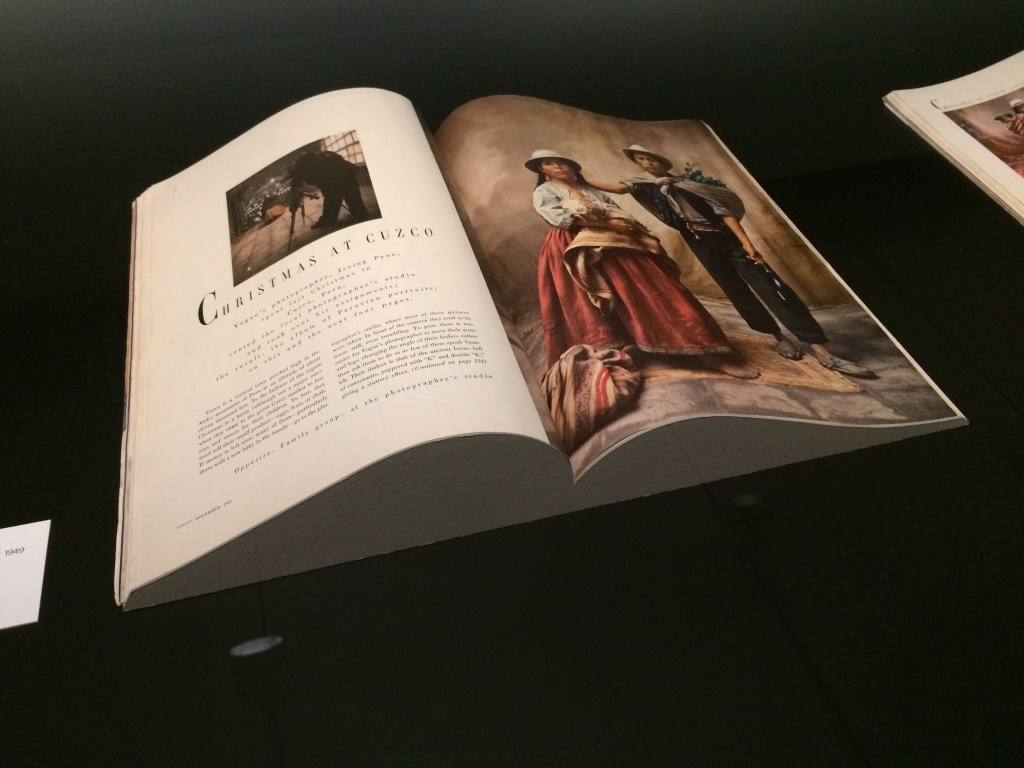
The exhibition featured more than just photographs. Perhaps it’s because of my background in museums, but I love seeing interpretation through objects in exhibitions, and accompanying two-dimensional pieces on the wall. I also enjoy seeing the process of producing works of art, whether it’s through artists’ journals or the printing process.
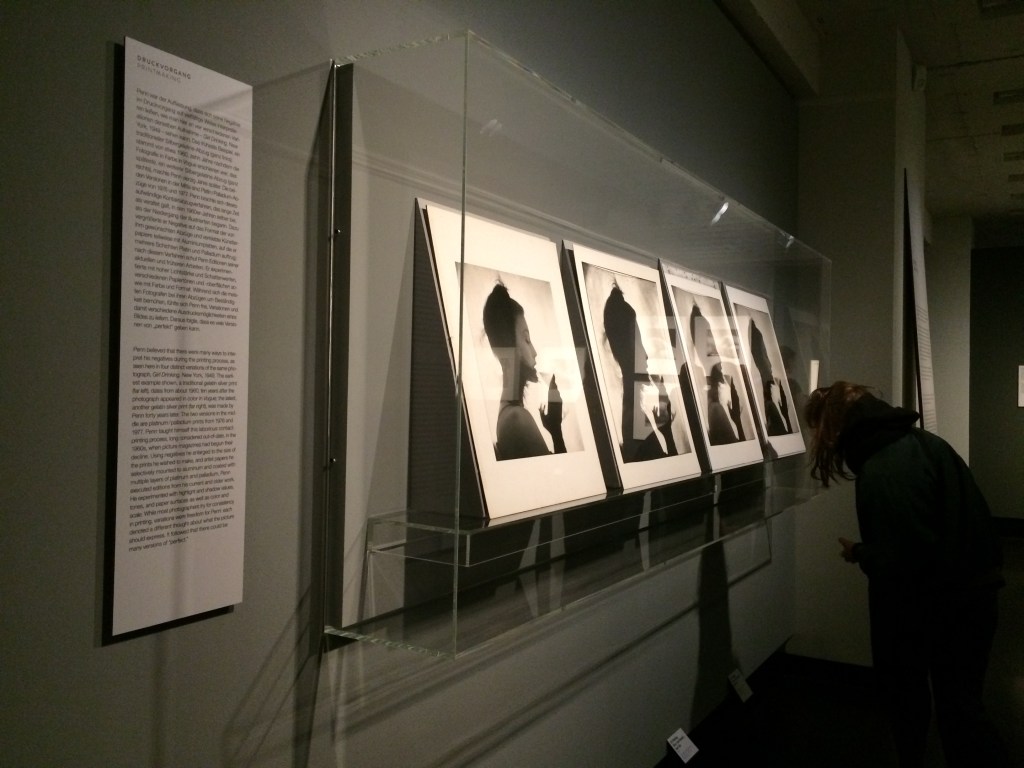
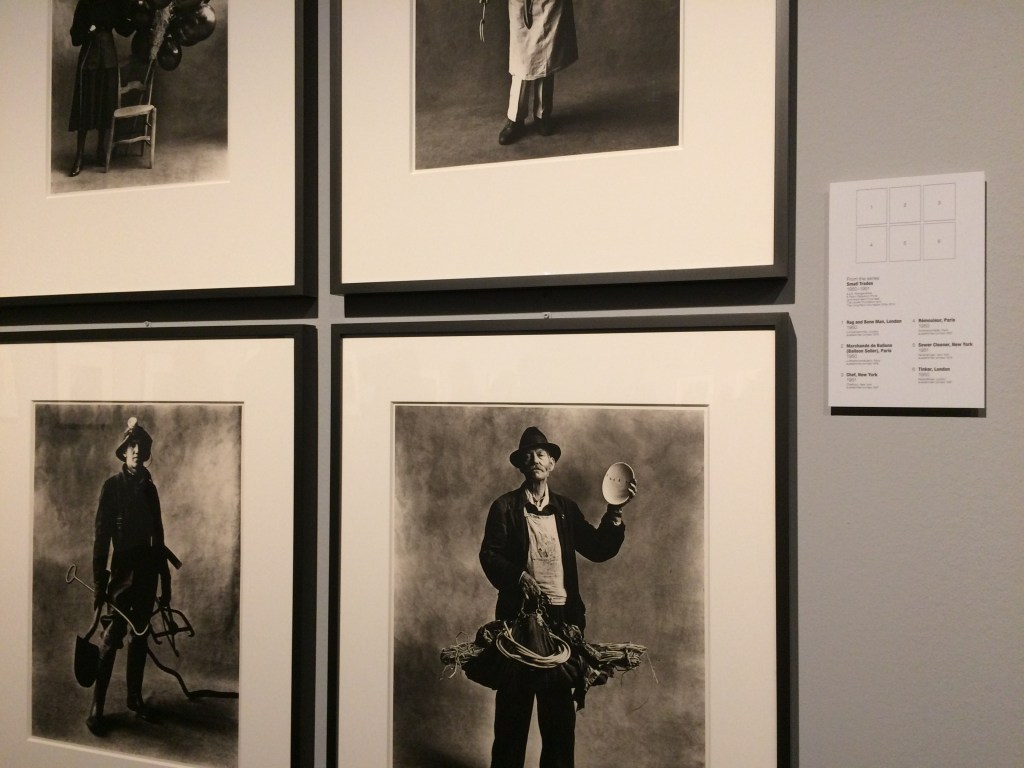
Below is an example of how Irving Penn printed his work. The first print was his original print and the three additional prints were produced at a later date, by other printers. nowadays the process of darkroom printing is an art form in its own right. In the past, I worked as a photographic hand printer, so I found these images to be an amazing inclusion in the exhibition.
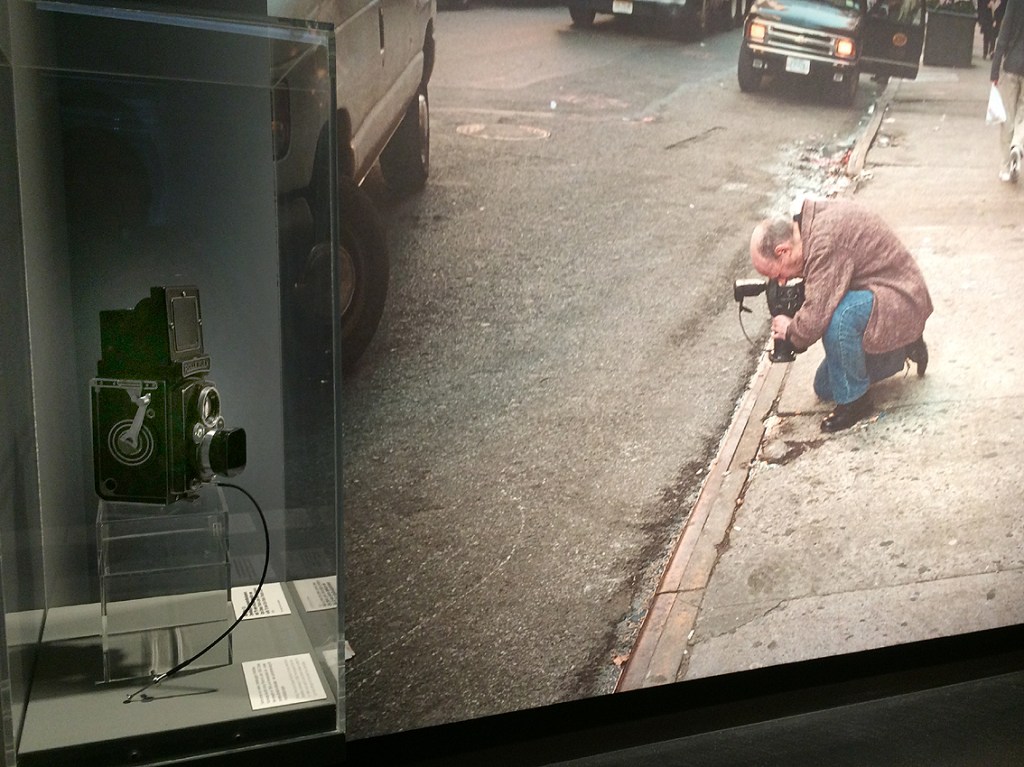
Also included were two essential tools of Penn’s trade – his neutral backdrop and his Rolleiflex twin lens medium format camera.
By far, my favourite series of images on display were his series of found cigarette butts. The ugliest, smallest things made beautiful through Penn’s eyes, a vigilant anti-smoker.
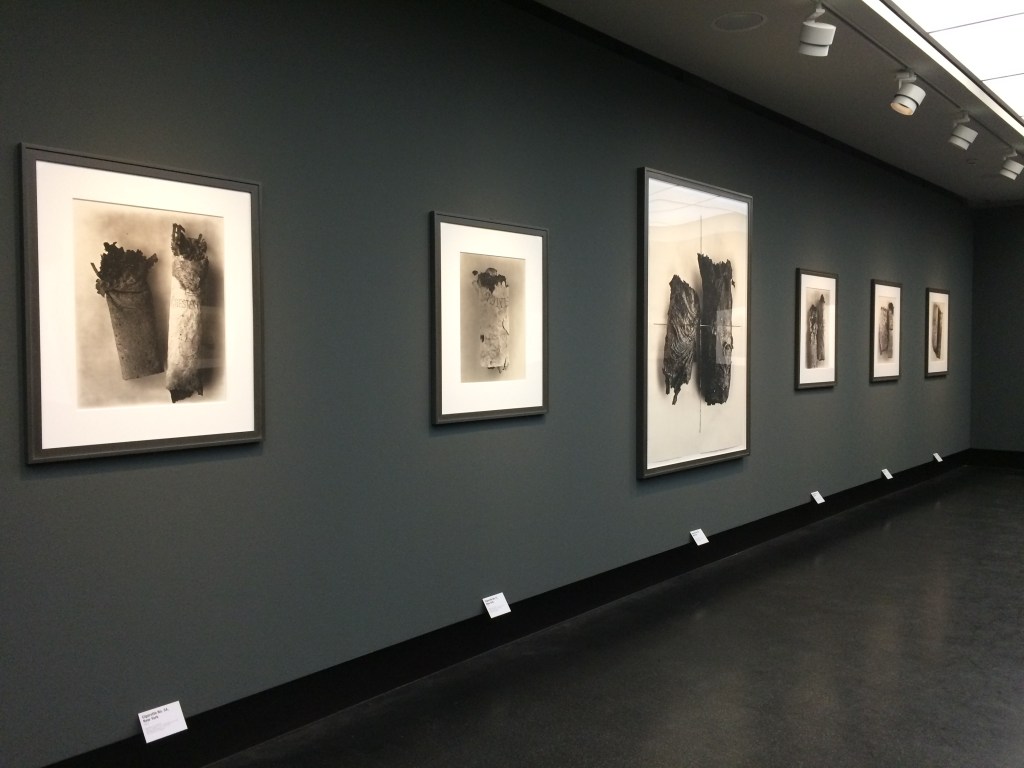
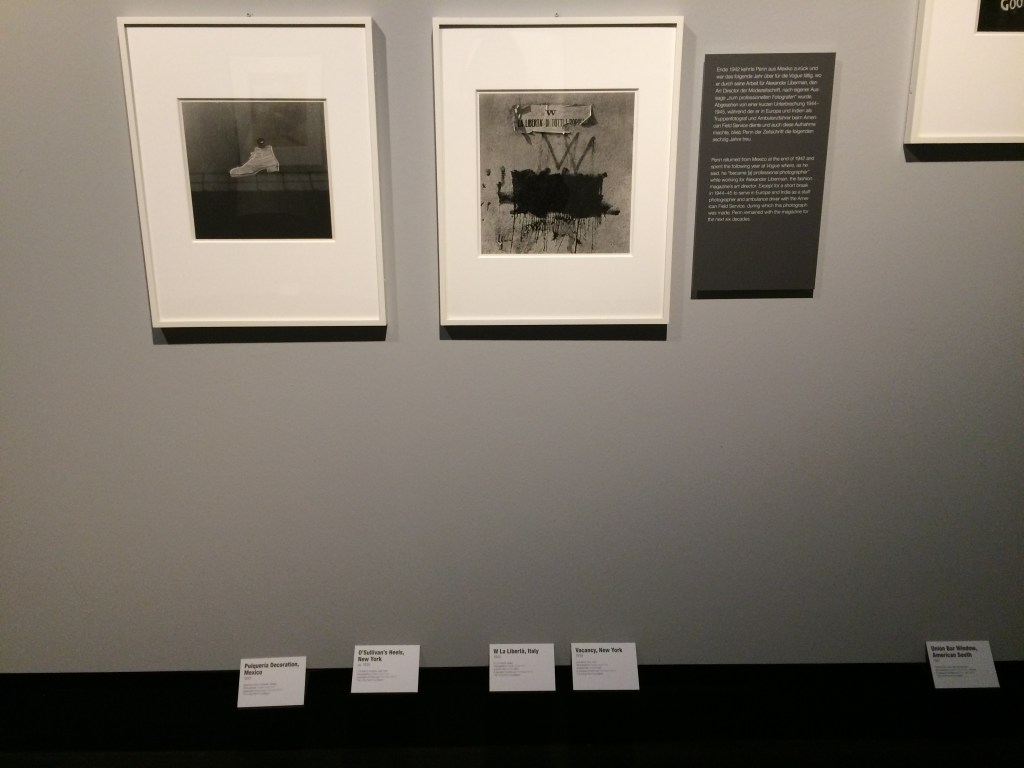
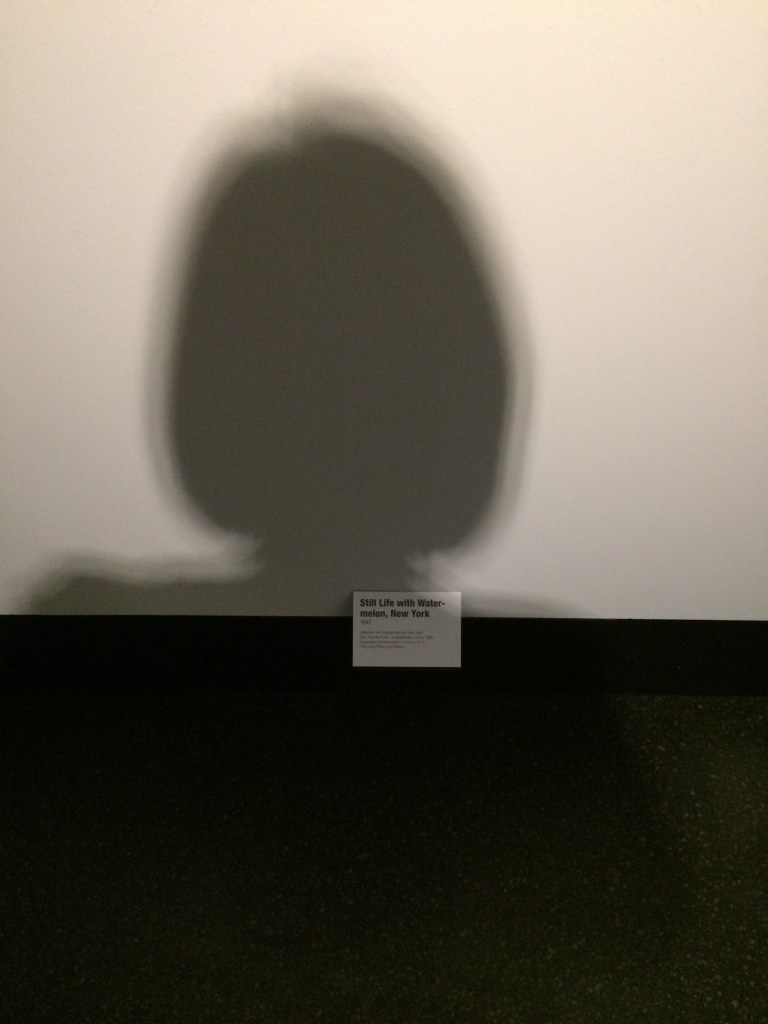
All the exhibition labels and wall text are in German and English, but I found the object labels too low, at the bottom of the wall. I’ve seen this done before and it’s worked, but for me, it didn’t work in this exhibition. Quite often, when an exhibition is organised by another institute, the host venue has to work with what it’s given. However, with the labels at ground level, I found the text too small, and quite often my own shadow caused problems with viewing the label. When works were displayed in a grid, with the labels at eye level, this was a much better option.
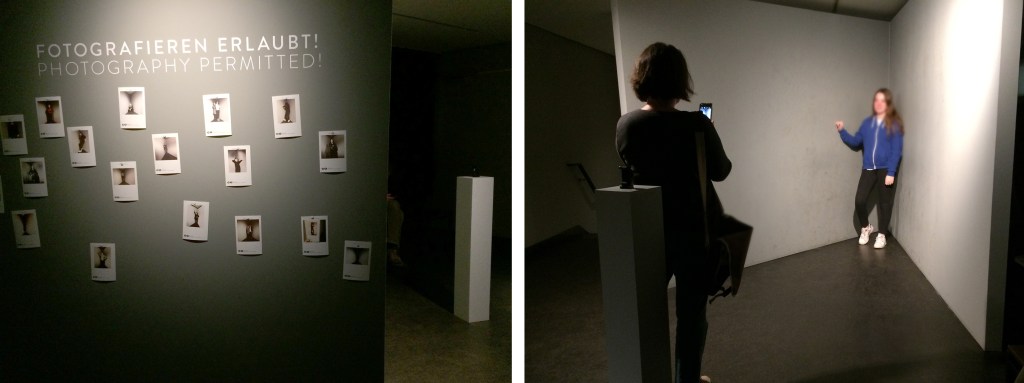
Towards the end of the exhibition, there was a fun interactive, replicating Penn’s corner studio, complete with a plinth and a smartphone mount to take your own corner portrait. This was a great inclusion, but it would’ve been nice to see it closer to the section with the corner portraits. While I waited to test out the corner portrait setup, I heard a few visitors trying to figure out what the strange grey corner was, but a mother and daughter duo knew exactly what to do.
C/O Berlin is a privately run organisation that operates independently and was started as a charitable organisation close to 20 years ago by three people; a photographer, a designer and an architect. It is funded by exhibition entry fees, book sales, public programs, sponsorship and donations. All exhibitions and events focus on the photographic arts.
It is on display until 1 July 2018 at C/O Berlin at Amerika Haus. To find out more, please visit their website: https://www.co-berlin.org/en
